
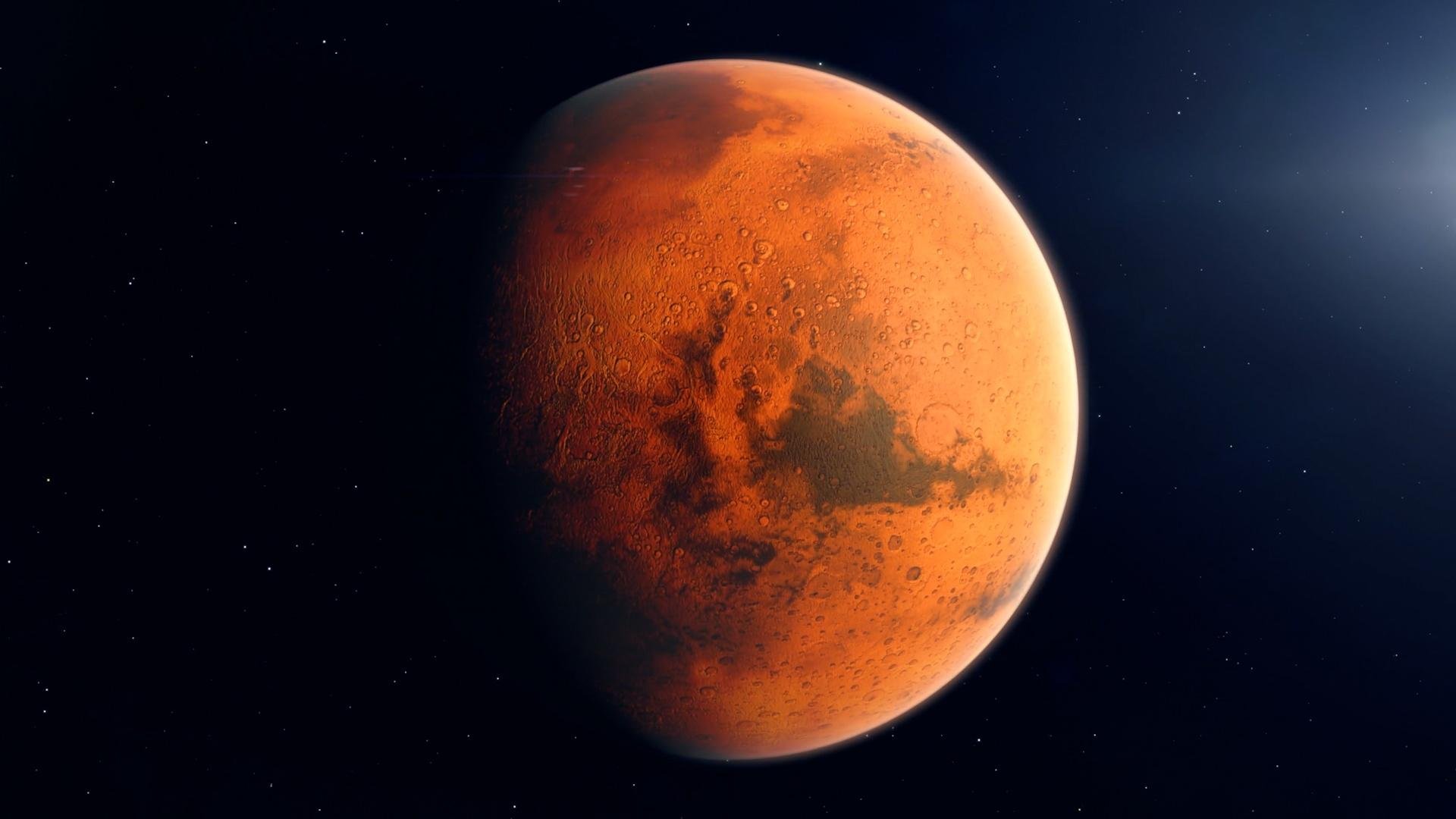
As an astronomy expert, I have spent years studying planetary science, and Mars has always captured my fascination. Its reddish hue, caused by iron oxide on the surface, gives it the nickname “The Red Planet.” Observing Mars through telescopes and spacecraft data reveals a world that is both similar to and strikingly different from Earth, making it a prime subject for research and exploration.
Size and Gravity
Mars has roughly half the diameter of Earth and a surface gravity about 38% that of our planet. I find this particularly interesting because it affects everything from atmospheric retention to the potential for human colonization. Lower gravity could make walking easier for astronauts, but it also poses challenges for maintaining bone density and long-term human health.
Atmospheric Composition
The Martian atmosphere is thin, composed mostly of carbon dioxide, with traces of nitrogen and argon. I often emphasize that this thin atmosphere cannot support human life directly, and it contributes to extreme temperature variations, making survival without technology impossible. Understanding its composition is crucial for designing habitats and life-support systems for future missions.
Evidence of Water
Mars presents tantalizing evidence of past and present water in the form of ice caps, ancient riverbeds, and hydrated minerals. Studying these features has been thrilling for me, as it raises questions about past habitability and the potential for microbial life. Water also remains a key resource for future manned exploration.
Surface Features and Volcanoes
Mars boasts some of the most dramatic landscapes in the solar system, including Olympus Mons, the tallest volcano, and Valles Marineris, a canyon system that dwarfs Earth’s Grand Canyon. For anyone curious, Read More Interesting Facts about Mars dives deeper into these geological wonders. I am constantly amazed by how these features hint at the planet’s geologic activity over billions of years.
Seasons and Climate
Mars experiences seasons due to its axial tilt, similar to Earth. However, I have observed that the thinner atmosphere leads to more extreme temperature swings and massive dust storms that can engulf the entire planet. These climate characteristics are critical when planning rovers, landers, or human missions.
Moons of Mars
Mars has two small moons, Phobos and Deimos, which I find fascinating due to their irregular shapes and fast orbits. They likely represent captured asteroids, providing insight into the history of the solar system. Studying these moons helps us understand orbital dynamics and potential resources for future exploration.
Potential for Human Exploration
Human missions to Mars are no longer science fiction. I remain excited about ongoing planning from NASA, ESA, and private companies. The challenges are immense: radiation exposure, psychological isolation, and resource scarcity. Yet, the potential rewards—scientific discovery and the expansion of human presence in space—are equally compelling.
Past and Future Missions
Robotic missions, from the Mars Rovers to orbiters like MAVEN, have provided an unprecedented wealth of data. I track these developments closely, as they continuously reshape our understanding of the planet. Future missions aim to return samples to Earth, allowing scientists like myself to analyze Martian soil and rock in ways impossible with remote instruments alone.
Impact on Astronomy and Society
Mars has inspired generations of scientists, artists, and visionaries. I observe that its study not only advances planetary science but also encourages global collaboration and innovation. Understanding Mars enriches our knowledge of planetary formation, potential life elsewhere, and the possibilities for human expansion beyond Earth.
Summary Table of Key Mars Facts
Here’s a concise overview of the most intriguing facts about Mars:
| Fact | Description | Impact |
|---|---|---|
| Size & Gravity | Half the diameter of Earth; 38% gravity | Affects human exploration and planetary processes |
| Atmosphere | Mostly CO₂ with trace gases | Limits human survival and temperature stability |
| Water Evidence | Ice caps, ancient riverbeds, hydrated minerals | Indicates past habitability and resource potential |
| Surface Features | Olympus Mons, Valles Marineris | Reveals geologic history and planetary activity |
| Seasons | Axial tilt causes seasonal changes and dust storms | Crucial for mission planning |
| Moons | Phobos and Deimos | Provides insight into solar system history |
| Human Exploration | Ongoing plans for manned missions | Challenges and opportunities for colonization |
| Past Missions | Rovers, orbiters, landers | Expanded scientific knowledge dramatically |
| Future Missions | Sample return and advanced exploration | Will deepen understanding of planetary evolution |
| Societal Impact | Inspires science, innovation, and collaboration | Encourages human progress in space exploration |
